
By Dorothy Musyoka
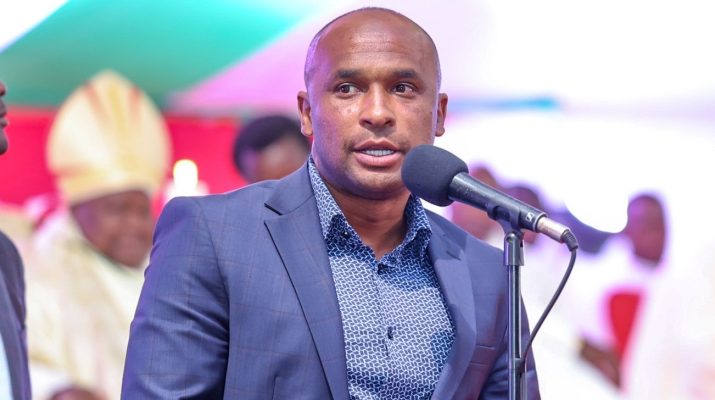
Zaheer Jhanda, the Member of Parliament for Nyaribari Chache Constituency, has criticized former Deputy President Rigathi Gachagua for allegedly engaging in divisive politics in the Gusii region during a recent visit by the United Opposition.
Speaking after commissioning eight modern classrooms at Kiamabundu Comprehensive School, Jhanda said the Gusii community remains firmly behind the leadership of William Ruto and supports the government’s development agenda.
The legislator accused Gachagua of attempting to sow division in the region, emphasizing that residents are focused on development and partnership with the national government.
“The former MP of Mathira constituency Rigathi Gachagua made some remarks that were uncouth.I think Kisii and Nyaribari Chache is not a place of tribal politics,” stated the MP.
Jhanda also cautioned school administrators against sending students home due to unpaid fees following the launch of a KSh 80 million bursary fund in the constituency.
According to the MP, the fund will ensure that students from vulnerable families can continue their education without interruption, in line with the presidential directive to support access to learning.
He urged school heads to work closely with constituency leadership to identify and support needy learners so they can benefit from the bursary program.
During the event, Jhanda commissioned the construction of an eight-classroom block at Kiamabundu Comprehensive School as part of efforts to address the shortage of learning facilities in the area.
He reaffirmed the government’s commitment to building modern and state-of-the-art classrooms across the constituency to improve the learning environment.
The MP also raised concern over what he described as misplaced priorities in the education sector, noting that some schools have previously invested in buses instead of urgently needed classrooms and infrastructure.
Jhanda observed that several institutions with fewer than 200 students purchased buses that later proved costly to maintain and service, placing additional pressure on already limited school resources.
He urged school management boards to prioritize investments that directly improve the learning environment and benefit students academically.